Welcome to the Path of Exile 2 Beginner Guide! Path of Exile 2 is the highly anticipated sequel to the popular action RPG, Path of Exile. This new installment brings a host of exciting changes and improvements, including a completely revamped skill system, new ascendancy classes, and enhanced graphics and gameplay mechanics. Unlike its predecessor, Path of Exile 2 offers a fresh campaign that runs parallel to the original, providing a unique experience for both new and returning players. With so many new features and complexities, a beginner guide is essential to help you navigate the early stages of the game, understand core mechanics, and set you on the path to mastering this intricate and rewarding world. Let’s dive in and get started on your journey!

Path of Exile 2 Getting Started
1. Creating Your Character in PoE 2
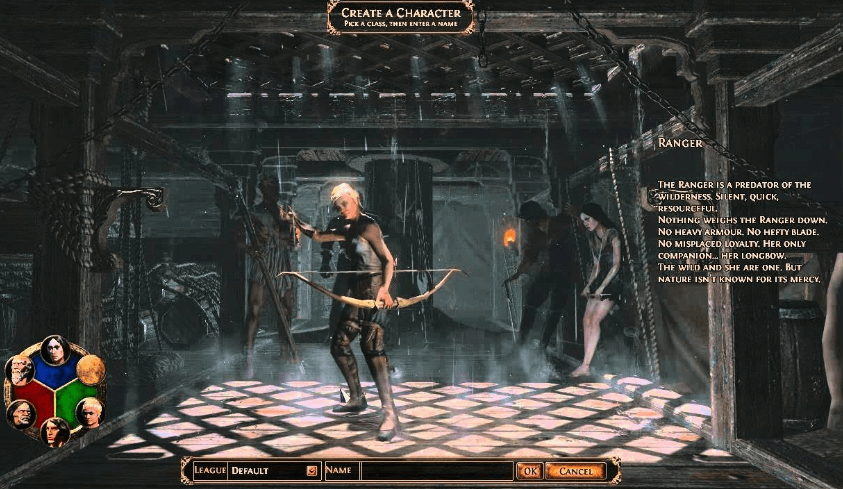
The first step in your Path of Exile 2 journey is creating your character. This process is crucial as it sets the foundation for your adventure. You’ll begin by selecting a class, each with its unique strengths and playstyles. Whether you prefer the brute force of a Marauder, the dexterity of a Ranger, or the magical prowess of a Witch, there’s a class that will suit your preferred approach to combat and exploration.
2. Choosing a PoE 2 Class
Path of Exile 2 offers a variety of classes, each with distinct abilities and skill trees. Your choice of class will influence your gameplay experience significantly. For beginners, it’s often recommended to start with a class that aligns with your natural playstyle. If you enjoy close combat, the Duelist or Marauder might be ideal. For those who prefer ranged attacks, the Ranger or Shadow could be more suitable. Each class also has access to different ascendancies, which further specialize your character’s abilities.
3. Understanding Ascendancies
Ascendancies are advanced subclasses that provide powerful enhancements to your character. Each class has multiple ascendancy options, unlocked as you progress through the game. These choices allow you to tailor your character’s abilities to fit your preferred playstyle even more closely. For example, a Witch can ascend to become a Necromancer, Elementalist, or Occultist, each offering unique skills and bonuses.
4. Basic Controls and Interface
Getting comfortable with the basic controls and interface is essential for a smooth gaming experience. Movement is primarily controlled with the mouse, while abilities are mapped to the keyboard. The interface includes various panels such as your inventory, skill tree, and map, which you’ll frequently interact with. Familiarizing yourself with these elements early on will help you navigate the game more efficiently.
5. Movement and Combat Basics
Movement in Path of Exile 2 is straightforward, with point-and-click mechanics guiding your character through the world. Combat involves a mix of basic attacks and skill usage. Managing your positioning is crucial, as it can mean the difference between life and death in challenging encounters. Make sure to keep an eye on your health and mana, using flasks to replenish them as needed.
6. Navigating the User Interface
The user interface in Path of Exile 2 is packed with information, but it can be overwhelming at first. Key elements include your health and mana bars, skill slots, and the minimap. The inventory screen allows you to manage your items, while the skill tree provides a visual representation of your character’s progression. Spend some time exploring these interfaces to become more comfortable with their layout and functions.
Path of Exile 2 Core Mechanics
1. Skill Gems and Support Gems
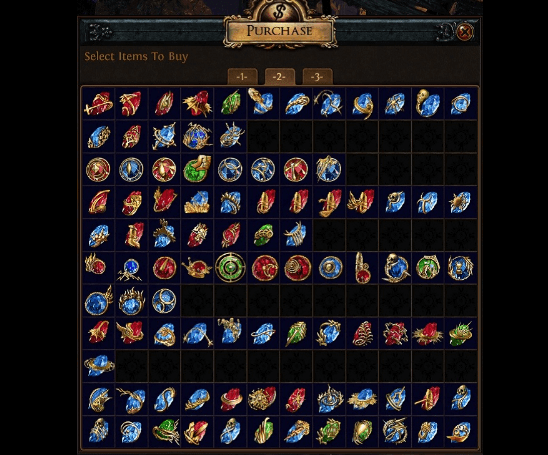
In Path of Exile 2, skill gems and support gems are at the heart of your character’s abilities. Skill gems grant you active skills, such as powerful attacks or defensive maneuvers, while support gems enhance these skills in various ways. For example, a support gem might increase the damage of a linked skill or add additional effects like increased area of effect or faster casting speed.
2. How to Obtain and Use Them
Skill gems can be obtained through various means, including quest rewards, drops from enemies, and purchases from vendors. Once you have a skill gem, you can socket it into your gear. Each piece of equipment has a certain number of sockets, which can be linked to allow support gems to modify the effects of skill gems. To use a skill, simply place it in a socket and assign it to a key for quick access during combat.
3. Leveling Up Your Gems
As you defeat enemies and complete quests, your skill gems will gain experience and level up, increasing their power. It’s important to keep an eye on your gems’ levels, as higher-level gems require more attributes to use effectively. Make sure your character’s stats can support the gems you want to use, and consider using gear that boosts your attributes if needed.
4. PoE 2 Passive Skill Tree
The passive skill tree in Path of Exile 2 is a vast web of nodes that provide various bonuses to your character. Navigating this tree can be daunting at first, but it’s a crucial part of customizing your build. Each level, you’ll earn points to spend on nodes, which can enhance your damage, defenses, and other attributes.
5. Overview and Navigation
The passive skill tree is divided into sections based on different types of bonuses and playstyles. For example, nodes near the Marauder’s starting area focus on melee damage and survivability, while nodes near the Witch’s starting area emphasize spell power and energy shield. You can zoom in and out of the tree to get a better view of the nodes and plan your path.
6. Tips for PoE 2 Beginners on Selecting Nodes
For beginners, it’s often best to focus on nodes that provide general benefits to your chosen playstyle. If you’re playing a melee character, prioritize nodes that increase your physical damage and life. For spellcasters, look for nodes that boost your spell damage and mana regeneration. Additionally, consider picking up some defensive nodes early on to help you survive tougher encounters.
Path of Exile 2 Early Game Tips
1. Efficient Leveling Strategies
Leveling efficiently in Path of Exile 2 can make a significant difference in your early game experience. Focus on completing main story quests and side quests that offer valuable rewards. Prioritize areas with dense packs of monsters to maximize your experience gain. Additionally, keep an eye out for gear upgrades and skill gems that can enhance your damage output, allowing you to clear content faster.
2. Key Quests and Rewards
Certain quests in Path of Exile 2 provide essential rewards that can greatly aid your progression. For example, quests that reward skill gems or passive skill points are particularly valuable. Make sure to complete these quests as soon as they become available. Additionally, some quests offer unique items or powerful gear that can give you a significant boost in power.
3. Recommended PoE 2 Leveling Builds
Choosing a solid leveling build can streamline your early game experience. Look for builds that are known for their efficiency and ease of use. For beginners, builds that focus on area-of-effect damage and survivability are often recommended. Popular choices include summoner builds, which rely on minions to deal damage, and spellcaster builds, which can clear large groups of enemies quickly.
4. Managing Your Inventory
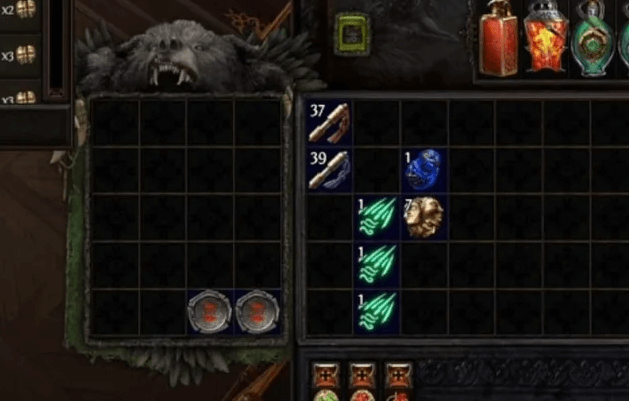
Effective inventory management is crucial in Path of Exile 2. Keep your inventory organized by regularly identifying and selling items you don’t need. Use your stash to store valuable items and crafting materials. Make sure to pick up and use portal scrolls and identify scrolls, as they are essential for managing your gear and returning to town quickly.
5. Identifying and Selling PoE 2 Items
Identifying items before selling them can yield better returns. Use identify scrolls to reveal the properties of rare and magic items. Items with desirable stats can be sold for valuable currency items, which are crucial for trading and crafting. Keep an eye out for items with high resistances, life, or other beneficial modifiers, as these can fetch a good price.
6. Using Currency Items Effectively
Currency items in Path of Exile 2 serve multiple purposes, from enhancing your gear to trading with other players. Use orbs of transmutation and augmentation to improve your early game gear. Save more valuable PoE 2 currency items, like chaos orbs and exalted orbs, for high-level crafting or trading. Understanding the value of different currency items and using them wisely can significantly enhance your character’s power.
Path of Exile 2 Combat and Survival
1. Basic Combat Strategies
In Path of Exile 2, mastering combat is essential for survival. Start by familiarizing yourself with your character’s skills and abilities. Use a combination of basic attacks and skill gems to deal damage to enemies. Pay attention to enemy attack patterns and learn to dodge or block their attacks. Always be on the move to avoid getting surrounded, and use your environment to your advantage by kiting enemies into narrow spaces where you can control the fight better.
2. Positioning and Movement
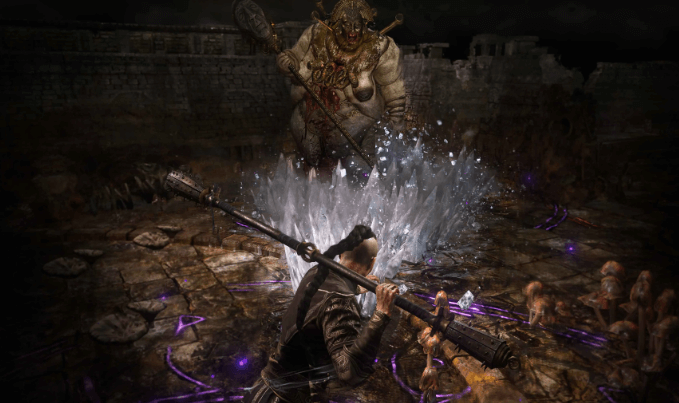
Positioning and movement are critical components of combat. Always try to stay on the move to avoid enemy attacks and to position yourself strategically. Use the terrain to your advantage, such as hiding behind obstacles to block projectiles or using high ground to gain a better vantage point. Remember, staying mobile not only helps you avoid damage but also allows you to reposition for more effective attacks.
3. Using Flasks and Potions
Flasks and potions are your lifeline in Path of Exile 2. They provide essential healing and buffs that can turn the tide of battle. Make sure to keep your flasks filled and use them wisely. Health flasks can save you in critical moments, while mana flasks ensure you can keep using your skills. Additionally, utility flasks can provide temporary boosts to your resistances, movement speed, or other stats, giving you an edge in tough fights.
4. Understanding Resistances and Defenses
Resistances and defenses play a crucial role in your survival. Path of Exile 2 features various types of damage, including physical, fire, cold, lightning, and chaos. Each type of damage can be mitigated by corresponding resistances. Make sure to equip gear that boosts your resistances to reduce incoming damage. Additionally, consider investing in defensive nodes on the passive skill tree to enhance your survivability.
5. Importance of Life and Energy Shield
Your life and energy shield are your primary defenses against damage. Life represents your health pool, while the energy shield acts as a secondary layer of protection that regenerates over time. Balancing these two defenses is key to staying alive. Prioritize gear and passive skill nodes that increase your life and energy shield to ensure you can withstand powerful attacks.
6. Balancing Offense and Defense
Finding the right balance between offense and defense is essential for success in Path of Exile 2. While dealing high damage is important, neglecting your defenses can lead to a quick demise. Aim to build a character that can both dish out and take damage. Invest in gear and passive skill nodes that enhance your damage output while also providing defensive benefits. This balanced approach will help you tackle the game’s toughest challenges.
Path of Exile 2 Gear and Crafting
1. Finding and Equipping Gear
In Path of Exile 2, gear is essential for your character’s survival and effectiveness. As you explore the world, you’ll find various items dropped by enemies, chests, and other sources. Equip gear that enhances your character’s strengths and compensates for weaknesses. Always be on the lookout for items with higher stats and better bonuses.
2. Importance of Item Rarity and Stats
Items come in different rarities: Normal, Magic, Rare, and Unique. The rarity affects the number and quality of modifiers an item can have. Rare and Unique items often provide significant boosts to your character’s abilities. Pay attention to stats like increased damage, resistances, and life, as these can greatly impact your performance.
3. Upgrading and Enchanting Items
To keep your gear competitive, you’ll need to upgrade and enchant it. Use currency items like Orbs of Transmutation and Orbs of Alchemy to enhance your gear. Enchantments can add powerful effects, making your items even more potent. Always consider the potential benefits of upgrading your gear before discarding it.
4. Introduction to Crafting
Crafting in Path of Exile 2 allows you to create and modify items to suit your needs. It’s a complex but rewarding system that can give you a significant edge. Start by familiarizing yourself with the basic crafting mechanics and the types of currency items used in the process.
5. Basic Crafting Recipes
There are numerous crafting recipes available, ranging from simple to complex. Some basic recipes include adding modifiers to items or rerolling their stats. Experiment with different combinations to discover what works best for your build. Keep an eye out for recipe books and NPCs who can teach you new recipes.
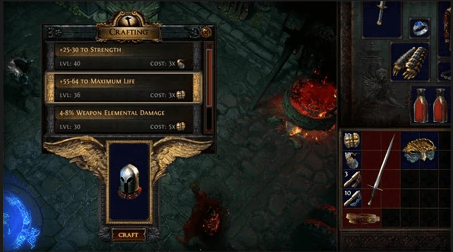
6. Using the Crafting Bench
The crafting bench is a crucial tool in your crafting arsenal. It allows you to apply specific modifiers to your items, provided you have the necessary resources. As you progress through the game, you’ll unlock more powerful crafting options. Make sure to regularly check your crafting bench for new recipes and upgrades.
Exploring the World in Path of Exile 2
1. Overview of Different Zones and Acts
Path of Exile 2 features a rich and diverse world divided into multiple acts, each with its unique zones and environments. As you progress through the game, you’ll traverse lush forests, desolate wastelands, bustling towns, and eerie dungeons. Each act presents new challenges and enemies, keeping the gameplay fresh and engaging. Understanding the layout of these zones and the progression through acts is crucial for efficient exploration and quest completion.
2. Key Locations and NPCs
Throughout your journey, you’ll encounter various key locations and non-playable characters (NPCs) that play vital roles in your adventure. Towns serve as hubs where you can interact with NPCs to receive quests, trade items, and access your stash. Key NPCs, such as quest givers and vendors, provide essential services and information. Familiarize yourself with these locations and characters to make the most of the resources available to you.
3. Navigating the Map and Waypoints
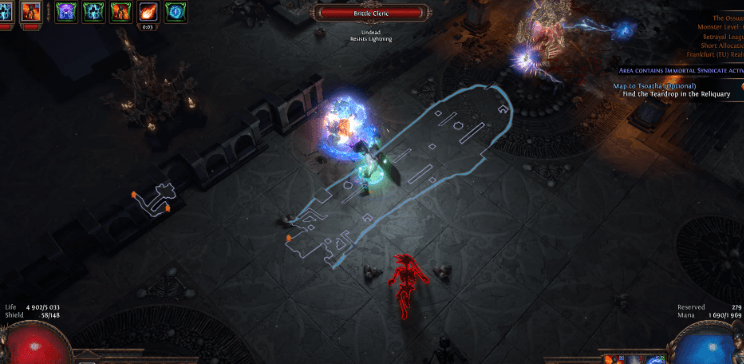
Navigating the world of Path of Exile 2 is made easier with the use of maps and waypoints. The minimap provides a real-time overview of your immediate surroundings, while the world map shows your progress through different zones and acts. Waypoints are scattered throughout the world, allowing you to fast travel between key locations. Make sure to activate waypoints as you discover them to save time and effort when traveling.
4. Engaging with the Community
Path of Exile 2 boasts a vibrant and active community. Engaging with other players can enhance your gaming experience significantly. Join global and local chat channels to ask questions, share tips, and find groups for cooperative play. The community is a valuable resource for learning and improving your gameplay, so don’t hesitate to reach out and connect with fellow exiles.
5. Joining Guilds and Parties
Joining a guild or party can provide numerous benefits. Guilds offer a sense of camaraderie and support, with members often sharing resources, advice, and strategies. Parties allow you to team up with other players to tackle challenging content together. Playing in a group can make difficult encounters more manageable and provide opportunities for social interaction and teamwork.
6. Utilizing Trade and Market Features
The trade and market features in Path of Exile 2 are essential for acquiring the gear and items you need. The in-game trade system allows you to buy and sell items with other players. Utilize trade websites and forums to find the best deals and ensure you’re getting fair value for your items. Understanding the economy and market trends can help you make informed decisions and optimize your character’s equipment.
Preparing for Path of Exile 2 Endgame
1. Introduction to Endgame Content
As you approach the end of Path of Exile 2’s main campaign, you’ll begin to encounter the game’s rich and challenging endgame content. This phase of the game offers a variety of activities designed to test your skills and provide opportunities for significant character progression. From exploring intricate maps to facing formidable bosses, the endgame is where your journey truly begins to shine.
2. Maps and the Atlas
One of the core components of Path of Exile 2’s endgame is the Atlas of Worlds. The Atlas is a sprawling map system that allows you to explore different regions and complete various maps, each with its unique layout, enemies, and rewards. Maps are items that you can find or trade for, and they come in different tiers, indicating their difficulty level. As you progress through the Atlas, you’ll unlock new maps and face increasingly challenging content.
3. Endgame Bosses and Challenges
Endgame bosses in Path of Exile 2 are some of the toughest encounters you’ll face. These bosses often require precise strategies and well-geared characters to defeat. Each boss has unique mechanics and abilities that you’ll need to learn and adapt to. Defeating these powerful foes can yield valuable rewards, including rare items and currency, making them a key part of your endgame progression.

4. Building Towards Endgame
Preparing for endgame content involves optimizing your character’s build to handle the increased difficulty. This means refining your skill setup, improving your gear, and making strategic choices in your passive skill tree. Focus on maximizing your damage output while ensuring you have sufficient defenses to survive tough encounters. Experiment with different combinations of skill gems and support gems to find the most effective setup for your playstyle.
5. Transitioning from Leveling to Endgame Builds
Transitioning from a leveling build to an endgame build can be a significant shift. During the leveling phase, you might prioritize skills and gear that help you progress quickly. However, for endgame content, you’ll need to focus on a more specialized build that can handle high-level challenges. This might involve respeccing your passive skill tree, acquiring new gear, and adjusting your skill setup to maximize your effectiveness in endgame scenarios.
6. Farming and Gearing Up
Farming for gear and currency is a crucial part of preparing for endgame content. Running maps and completing endgame activities will yield valuable items that can enhance your character. Focus on farming areas that provide the best rewards for your build. Additionally, trading with other players can help you acquire specific items you need. Use the in-game trade system and community resources to find the best deals and optimize your gear.
Additional Resources for PoE 2 Beginners
1. Recommended Websites and Tools
To enhance your Path of Exile 2 experience, there are several websites and tools that can provide invaluable assistance. Websites like Path of Exile’s official site and PoE Ninja offer comprehensive databases of items, builds, and market trends. Tools such as Path of Building allow you to plan and simulate your character’s build, helping you optimize your skills and gear before committing in-game.
2. Build Planners and Guides
Build planners and guides are essential for both new and experienced players. Path of Building is a powerful tool that lets you create and test builds, providing detailed statistics and comparisons. Additionally, community-driven websites like PoE Vault and PoE Planner offer a plethora of build guides tailored to different playstyles and classes. These resources can help you find a build that suits your preferences and ensure you’re on the right track.
3. Community Forums and Wikis
Engaging with the community through forums and wikis can greatly enhance your understanding of the game. The Path of Exile subreddit and the official Path of Exile forums are bustling with discussions, tips, and advice from seasoned players. Wikis like the PoE Wiki provide detailed information on game mechanics, items, and lore, making them excellent references for any questions you might have.
4. Staying Updated with Patches and Updates
Path of Exile 2 is a constantly evolving game, with regular patches and updates that introduce new content, balance changes, and bug fixes. Staying informed about these updates is crucial for maintaining an optimal gameplay experience. Follow the official Path of Exile website and social media channels for the latest news and patch notes. Additionally, community hubs like Reddit and Discord servers often discuss upcoming changes and provide insights into how they might affect your gameplay.
Conclusion
Congratulations on reaching the end of our Path of Exile 2 Beginner Guide! We hope this guide has provided you with the essential knowledge and strategies needed to embark on your journey through the dark and intricate world of Wraeclast. From creating your character and mastering core mechanics to exploring the vast world and preparing for endgame challenges, you’re now equipped with the tools to thrive. Remember, the key to success in Path of Exile 2 is continuous learning and adaptation. Engage with the community, utilize the resources available, and most importantly, enjoy the adventure. Good luck, Exile, and may your path be filled with glory and triumph!



